
How to correctly choose and use the variable frequency drive?
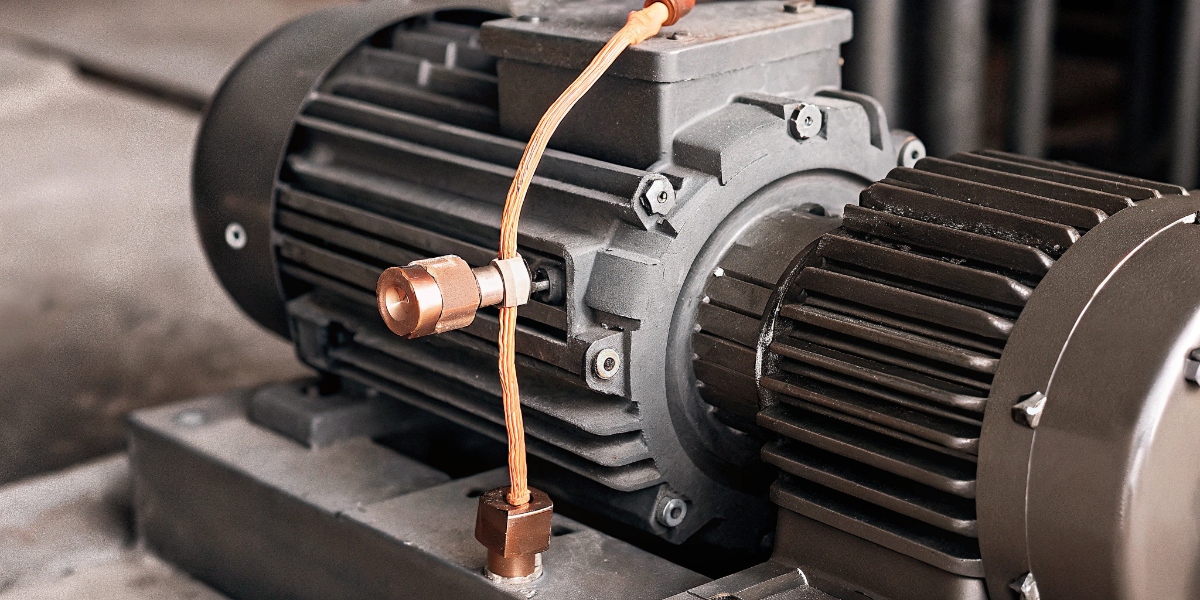
Do you worry that purchasing the wrong electrical components will stop your customer's production line? Selecting the wrong drive causes downtime, equipment damage, and lost trust with your clients.
To choose and use a variable frequency drive (VFD) correctly, you must match the drive rating to the motor's full load amps, not just the horsepower. You also need to select the right control mode for the specific application, ensure proper cooling, and configure parameters like acceleration time to prevent overcurrent trips.
Many purchasing managers think all drives are the same. This is a dangerous assumption. I have seen many projects fail because of this mistake. The price might look good on paper, but the hidden costs of failure are huge. Let's look at the details so you can make the best choice for your company and your customers.
How does VFD variable frequency drive work?
You sell these products every day in the UAE market. But do you truly understand what happens inside the box? Understanding the core mechanism helps you explain the value to your customers.
A VFD converts incoming AC power to DC and then inverts it back to a simulated AC wave with variable frequency and voltage. It uses Pulse Width Modulation (PWM) to control the motor speed and torque precisely, which saves significant energy and reduces mechanical stress on the equipment.
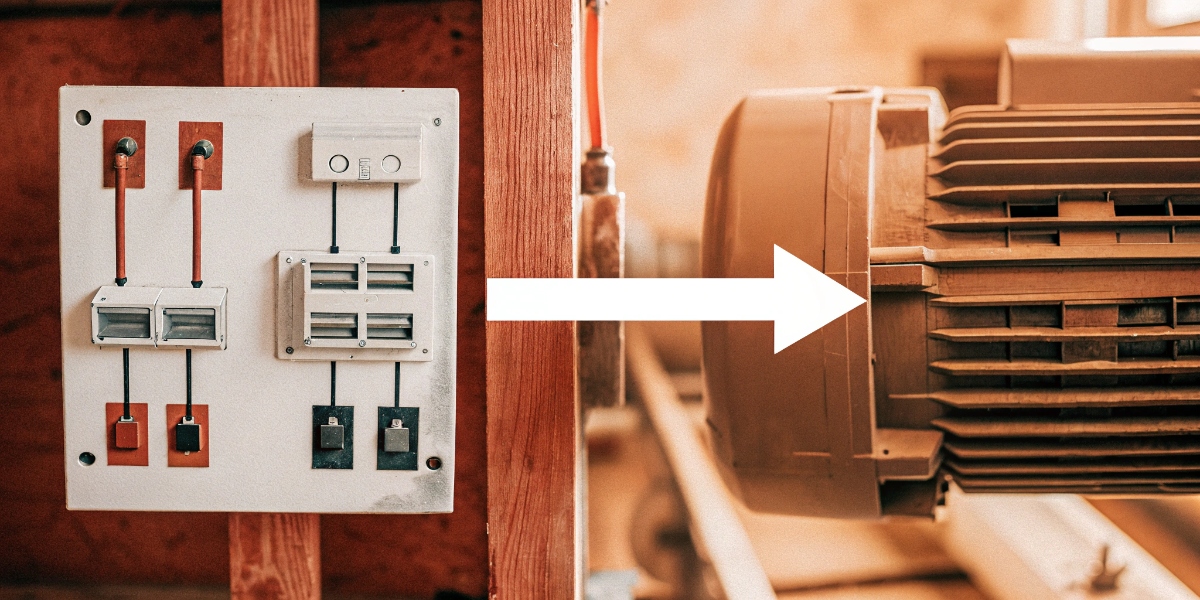
We need to look deeper than just power conversion. At YOGU, I teach my engineers to see the VFD as a computer, not just a switch. The basic process is simple. The rectifier takes the AC power from the grid. It turns it into DC power. The DC bus stores this energy. Then, the inverter takes that DC and chops it up into new AC power. This is the Pulse Width Modulation (PWM).
But here is the real secret. You should treat the VFD as a "soft sensor." A modern drive is full of data. It knows the current signatures and torque estimates. It can tell you things about the motor that you cannot see with your eyes.
For example, the drive can detect if a pump has air bubbles (cavitation). It can detect if the motor shaft is not aligned properly. It can even tell if the bearings are wearing out. This is Motor Current Signature Analysis1. When you sell a premium VFD, you are selling a predictive maintenance tool. It helps the customer fix problems before the machine breaks.
VFD Data Capabilities
| Feature | Function | Benefit |
|---|---|---|
| d/q Currents | Analyze magnetic flux | Precise torque control |
| Harmonics Analysis2 | Monitor power quality | Prevent overheating |
| Torque Estimate | Measure load on shaft | Detect jams or breaks |
When you connect this to the internet (Industrial Ethernet), the drive becomes a smart node. It cuts downtime. This justifies a higher price tag because it saves the user money on repairs.
What is the formula for VFD selection?
Looking at a catalog can be confusing because there are so many numbers and models. If you use the wrong formula or look at the wrong number, the motor will overheat or stop working.
The golden rule is to size the VFD based on the motor's Full Load Amps (FLA), not just the power rating (kW or HP). Always add a 10% safety margin to the current rating to handle heavy start-up loads and ensure reliable operation.
I often see purchase orders that only list "5.5kW VFD." This is risky. A 5.5kW motor from one brand might use more amps than a 5.5kW motor from another brand. You must always ask for the Full Load Amps (FLA).
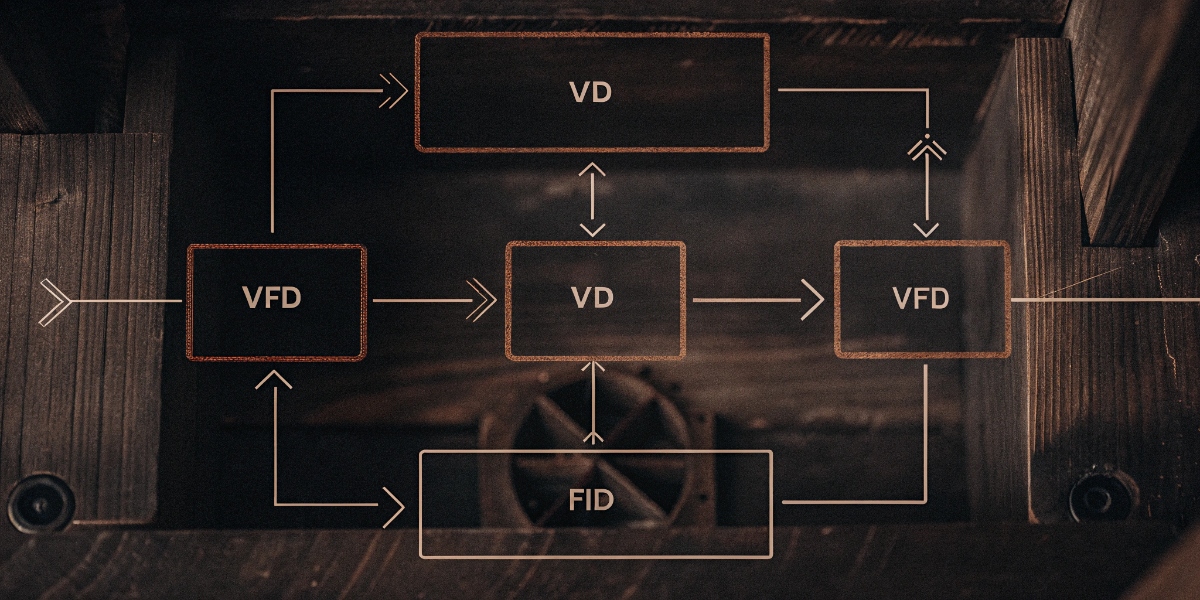
You also need to think about the system architecture. This is where we can save costs. In systems with many motors, like a packaging line, you should engineer the DC bus. Do not just look at the line side (the input). Look at the DC connection.
We can select drives that share a common DC bus. Imagine one motor is slowing down. It acts like a generator. It produces energy. Usually, this energy goes to waste in a brake resistor. But with a shared DC bus, that energy goes to the next motor that is speeding up.
This approach has three big benefits:
- You reduce the size of the brake resistors.
- You reduce the load on the HVAC cooling system because there is less heat.
- You can use smaller transformers and breakers because the total power draw is lower.
This meets IEEE-519 harmonics targets3 more easily. It is a single design choice that lowers the capital expense (Capex) and the operating cost. This shows your expertise to the supplier and the end-user.
How to choose the right variable frequency drive?
Price is very important to you and your company. But cheap drives often cause expensive problems later with noise and interference. You need to balance the budget with technical features that protect the equipment.
Choose a VFD that balances cost with protection features. Look for integrated EMC filters4, proper IP ratings for the environment, and safety functions like Safe Torque Off (STO)5 to reduce external component costs and simplify the panel wiring.
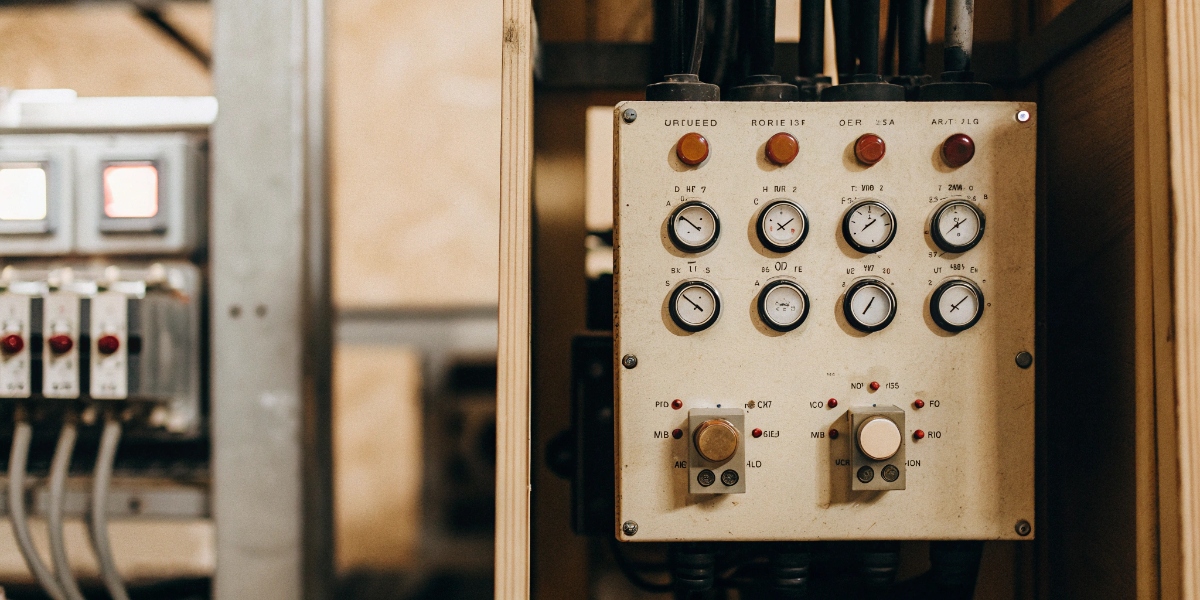
When you choose a drive, you must look at the environment. Electrical noise (EMC) and acoustics are critical. If you have long cables between the drive and the motor, you need protection. I recommend VFDs with options for dv/dt filters or sine filters6.
You should also look for drives with adjustable and random PWM switching7. This makes the motor noise less annoying to the human ear. It creates a quieter factory. Also, we must protect the motor bearings. VFDs can cause currents to flow through the bearings. This destroys them. Using common-mode chokes or insulated bearings helps. It stops nuisance trips and damage.
Another major factor is functional safety. In the past, we used many external relays and contactors for safety. Now, you can buy drives with safety built-in. Look for these standards: STO (Safe Torque Off), SLS (Safely-Limited Speed), and SS1 (Safe Stop 1).
Integrated Safety Benefits
- STO (Safe Torque Off): Prevents the motor from starting unexpectedly.
- Reduced Wiring: You do not need external safety relays.
- Smaller Panels: Less hardware means you need less cabinet space.
- Compliance: It meets SIL 3/PL e protection standards easily.
This simplifies the machine design. You get faster setup speeds. You get shorter recovery times after a stop. Selecting safety-in-drive is the most cost-effective upgrade you can make. It boosts throughput and compliance at the same time.
How to set up a variable frequency drive?
You bought the best drive. Now it sits in the panel. If the startup parameters are wrong, the machine will not run efficiently or might trip immediately.
Start by entering the motor nameplate data accurately. Perform a static or rotational auto-tune to match the VFD to the motor. Then, configure the specific application macro, such as fan or pump mode, for optimal performance.

I have spent many hours in workshops setting up drives. The best advice I can give is to use application-specific intelligence. Modern drives are smart. They have "macros" or pre-set modes for pumps and fans.
Do not try to program everything from zero. Use the macros. For example, a pump macro will have logic for "sleep and boost." It knows when to turn off if there is no demand. It knows how to fill a pipe slowly to avoid breaking it. It has anti-cavitation logic.
You should also use the dual-loop PID control inside the drive. It has anti-windup features. This means the drive can control pressure or flow by itself. You do not need to write complex code in the PLC.
Here is the process I follow:
- Control Mode: Choose V/f for simple fans. Choose Sensorless Vector for heavy loads.
- Auto-Tune: Always run this. Rotational auto-tune is best. If the motor is connected to a load, use static auto-tune. This measures the resistance and inductance of the motor.
- Field Weakening: Use this if you need to run the motor faster than its base speed.
These features shorten the startup time. They cut the amount of PLC code you need to write. They unlock real energy savings. Your customer will see a stable process, and you will look like a hero.
Conclusion
Selecting a VFD requires looking at Amps, not just power. Use the drive as a sensor, engineer the DC bus for efficiency, and use integrated safety to save costs.
-
This technique allows early detection of motor issues, reducing unplanned downtime and maintenance costs for your clients. ↩
-
Harmonics analysis is crucial for maintaining equipment health and meeting regulatory standards, protecting your investment. ↩
-
Meeting harmonics standards is essential for compliance and reducing electrical interference, protecting your facility and equipment. ↩
-
EMC filters reduce electrical noise and interference, ensuring reliable operation and compliance with industry standards. ↩
-
STO enhances machine safety by preventing unexpected motor starts, reducing the need for external safety components. ↩
-
These filters protect motors from voltage spikes and noise, extending equipment life and reducing maintenance costs. ↩
-
This feature reduces audible noise and improves workplace comfort, making your facility quieter and more pleasant. ↩